Anästhesiologie in Germany: What City Hospitals Need From IMGs
Approbation lets you apply for anaesthesiology jobs in Germany, but city hospitals hire IMG doctors who show German clinical work, strong language and a clear reason for the specialty.
Ahmed Quteishat
Founder, Klaro
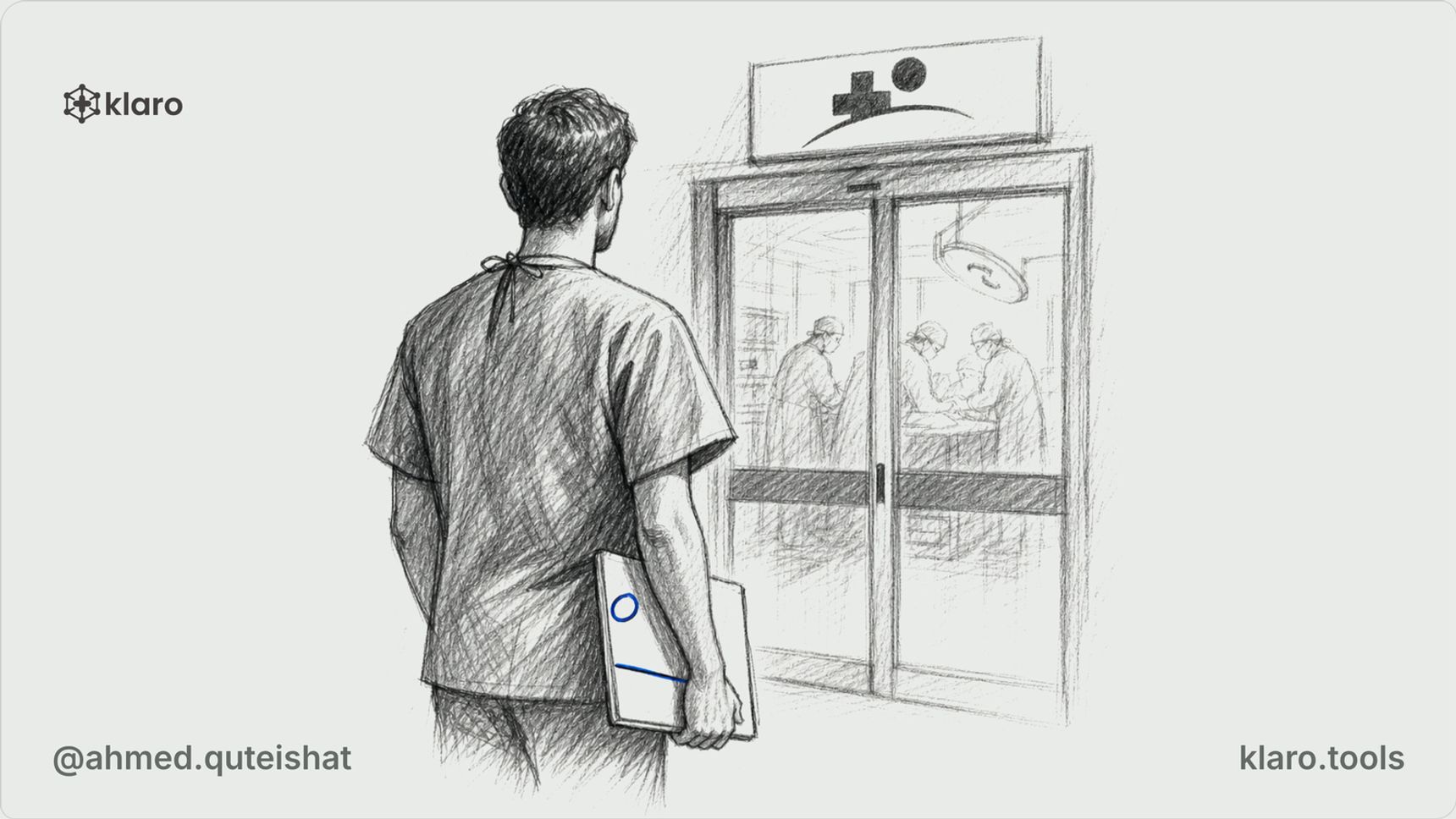
IMG doctors seeking Anästhesiologie in a big German city need German clinical signals beside Approbation. Approbation is the full licence to practise medicine in Germany. It opens the application door, but a Berlin, Munich or Hamburg department still chooses which junior doctor it wants in its operating rooms and intensive care unit.
Anästhesiologie means anaesthesiology. The work includes pre-operative visits, general anaesthesia, regional blocks, airway emergencies, pain treatment and intensive care. A chief looking at 40 applications for one junior doctor post wants to see that you can speak with a frightened patient at 7am and hand over an intubated patient to the ICU team.
Why big-city anaesthesia jobs are harder to get
Big German cities attract doctors for obvious reasons. Berlin has international communities. Munich has high-paying jobs for partners. Hamburg has large hospitals and an airport. Those same advantages bring more applications to each anaesthesia vacancy than a hospital in a smaller town receives.
The city department does not hire you because you have the licence. Every applicant on the interview list should already have the licence, or be close enough that the hospital can set a start date. The decision then moves to your German, your hospital experience and whether your CV fits the daily work on the operating list.
A large university hospital also divides work between many teams. One junior doctor may spend months in orthopaedic theatres. Another starts in cardiac anaesthesia or the surgical ICU. The department needs someone who can follow its handover format, write an anaesthesia record and call the senior doctor early during a difficult airway.
What makes an IMG application convincing
German hospital work is the strongest signal. Six months as a junior doctor in internal medicine, surgery or an emergency department shows that you have used German during admissions, discharge letters, blood draws, phone calls with radiology and night duty. It also gives a German senior doctor who can speak for you when the anaesthesia chief calls.
Experience in an anaesthesia department is even stronger. A Hospitation, meaning an unpaid hospital observation placement, lets you see induction, recovery room handovers and the morning theatre briefing. It does not replace a job, and it does not let you work as a doctor. Its value is the named department, the dates on your CV and a senior doctor who remembers your preparation.
Your cover letter needs a city-specific reason. Do not write that you are applying to every hospital in Germany. Name the hospital, the anaesthesia department and one part of its work. For example, an applicant to a trauma centre can name emergency theatre and surgical ICU work. An applicant to a university clinic can name cardiac, paediatric or neuroanaesthesia only if their CV shows real interest in that area.
Language is tested in the interview, not only on a certificate. The chief may ask you to explain fasting instructions, an epidural discussion or a low oxygen alarm. Prepare those answers in German. A B2 or C1 certificate belongs in the PDF, but your spoken German during a 20-minute video call decides whether the department imagines you beside the anaesthesia machine.
What city hospitals notice on your CV
The best CV is easy to scan in 30 seconds. Put your Approbation status near the top. Then list German hospital jobs with hospital name, department, dates and duties. Write "admissions, discharge letters, ECGs, blood draws, night duty" rather than "clinical experience."
List every anaesthesia-related task honestly. If you worked in an ICU in Cairo, Damascus, Lahore or Tehran, state the unit size, ventilated patients, central lines, arterial blood gases and emergency calls you handled. Do not write that you performed intubations if you only watched them. A German chief will ask for details in the interview.
A gap after Approbation needs one clear line. "German course, Düsseldorf, March to July" is better than an empty period. "Hospitation in anaesthesia, Städtisches Klinikum, August to October" gives the reader a person and a place to call. City departments reject vague PDFs because they have enough complete applications on the desk.
Should you start outside Berlin, Munich or Hamburg?
Yes, starting at a smaller hospital is the practical move for many IMG doctors. A district hospital in Brandenburg, Lower Saxony or Bavaria gives you theatre lists, recovery room work, ICU shifts and German references. After 1 or 2 years, your next application to Berlin or Hamburg says you already work safely inside a German hospital team.
This is not a permanent compromise. Anaesthesia training is structured through the state medical chamber, called the Landesärztekammer. Before signing, ask how much training the department's training licence, the Weiterbildungsbefugnis, covers. A smaller hospital may certify only part of specialist training, which means you later move to another department.
A city job can still be your first job when your German is strong and your application fits a real vacancy. This happens most often at hospitals outside the famous university clinics, in departments with ICU work and night duty rotas. Apply widely across one city and its surrounding towns, rather than sending 3 applications only to the best-known hospitals.
What to do before you apply
- Put your Approbation certificate or current licence status in the first third of your CV.
- Write each German hospital post with the department, dates, named tasks and night duty.
- Ask a German senior doctor for a signed reference that names your ward work, communication and reliability.
- Ask the anaesthesia department: "How many years of anaesthesia training can your training licence certify here?"
- Apply to city hospitals and nearby district hospitals in the same week, using a separate cover letter for each department.
Stand: 2026-09-24. This article is orientation, not legal advice. Rules differ by Bundesland and change — always confirm with your [Landesärztekammer](https://www.bundesaerztekammer.de/aerztekammern) before acting.
Ahmed Quteishat — Founder, Klaro
Ahmed built Klaro after watching how much of a doctor's move to Germany gets lost in paperwork rather than medicine.